There comes a point in many business owners’ journeys when frustration stops being temporary and becomes permanent.
They wake up tired. Decisions feel heavier. Problems repeat instead of resolving. The business still exists, but the energy that once built it is gone.
At this stage, many owners believe the cost of exiting is too high. What they often fail to see is the far greater cost of holding on.
When Persistence Turns Into Punishment
Persistence is celebrated in entrepreneurship.
We are told that pushing through is the mark of a true founder. That resilience solves everything.
But persistence without progress is not resilience. It is erosion.
Over time, unresolved pressure takes a toll, not just on the business, but on the person running it.
The Hidden Personal Costs
The most immediate cost of holding on too long is personal.
Chronic stress becomes normalised. Sleep is disrupted. Relationships suffer quietly. Even moments of success feel muted.
Many owners cannot remember the last time they felt genuinely relaxed.
They may still be functioning, but they are no longer thriving.
This slow burnout is rarely visible from the outside, which makes it easy to ignore.
The Financial Cost Nobody Tracks
The financial cost of staying stuck rarely appears in reports.
It shows up as:
Missed opportunities
Declining margins
Deferred maintenance
Underinvestment in growth
Loss of negotiating power
As time passes, the business becomes harder to reposition and less attractive to buyers.
Value does not disappear overnight. It leaks away slowly.
Why Owners Tell Themselves They Have No Choice
Many struggling owners believe they are trapped because:
The business employs people
They have personal guarantees
They have invested years of effort
They fear judgment
These concerns are real, but they are not reasons to avoid action. They are reasons to approach exit thoughtfully.
Avoiding decisions does not protect stakeholders. It increases risk for everyone involved.
The Illusion of Control
Holding on can feel like maintaining control.
In reality, control diminishes with time.
Suppliers become stricter. Banks become cautious. Staff sense instability. Options narrow.
By the time an owner feels forced to act, circumstances are often dictating terms.
Early action preserves choice. Delay removes it.
Why Exhaustion Leads to Bad Decisions
Fatigue distorts judgment.
Owners who are emotionally depleted are more likely to:
Accept poor offers
Ignore warning signs
Rush negotiations
Avoid difficult conversations
Exits made under exhaustion rarely end well.
Clear thinking requires space, perspective, and support.
The Role of Outside Perspective
This is where experienced external guidance becomes critical.
Someone who is emotionally detached from the business can assess reality without bias.
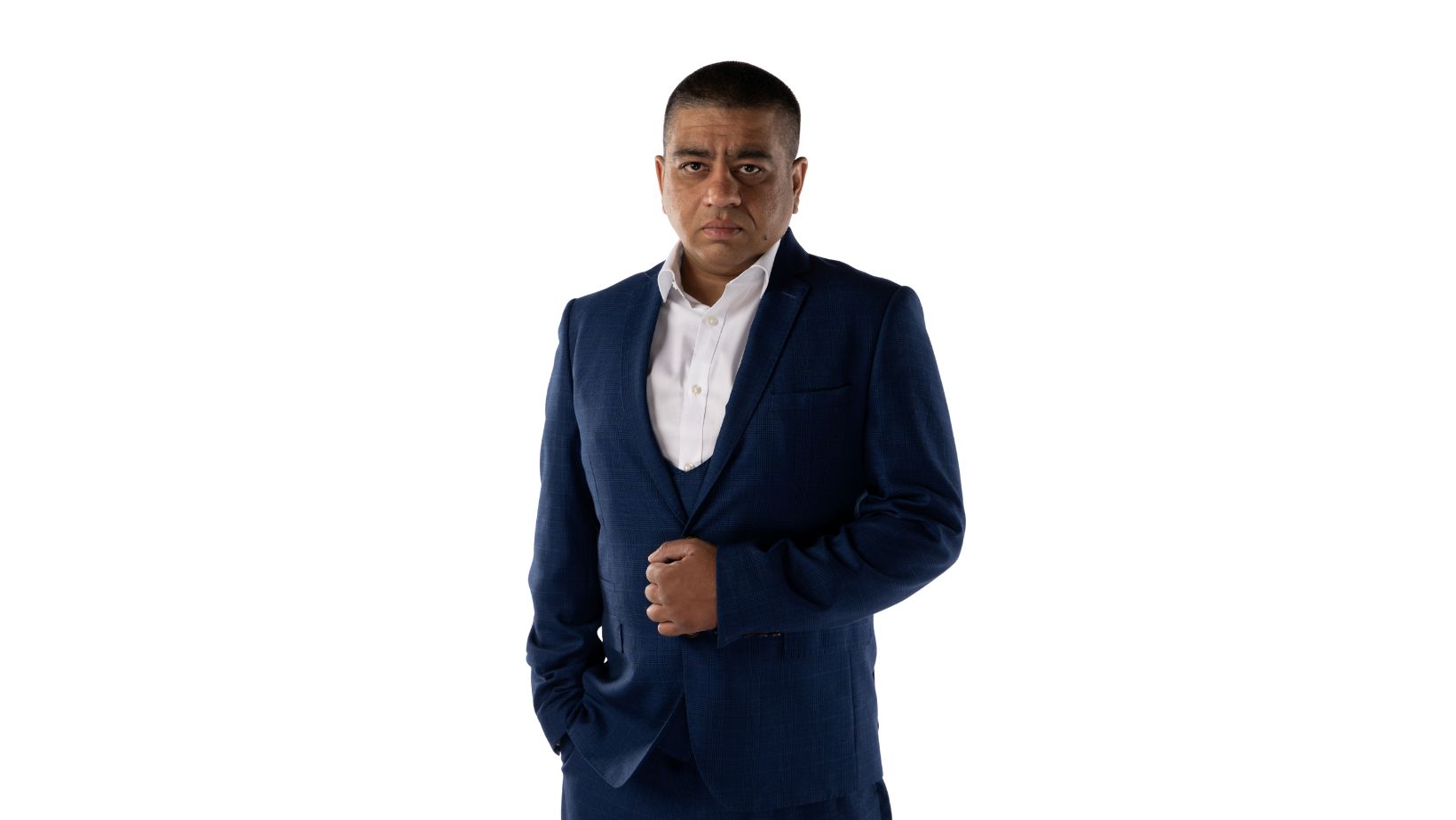
As Imran Hussain Fractional CFO, this role has involved working with struggling SMEs since 2001, advising distressed businesses since 2016, and investing in and acquiring companies across the UK, USA, and Europe.
That experience brings a different lens. One focused not on blame, but on options.
Holding On Often Costs More Than Letting Go
Many owners fear exit because they assume it means loss.
In practice, holding on often creates greater losses.
Loss of health
Loss of confidence
Loss of capital
Loss of future flexibility
Exiting at the right time can preserve far more than staying indefinitely.
Why Early Conversations Change Everything
Exit does not begin with selling.
It begins with conversation.
A conversation about:
What the business really needs
What the owner truly wants
What outcomes are still possible
These conversations restore agency. They turn vague frustration into structured choices.
Reframing Exit as Strategy, Not Surrender
The most successful owners reframe exit.
They see it as:
A strategic decision
A protection of value
A reset, not a retreat
Exiting well is not about giving up on effort. It is about redirecting effort toward a better outcome.
What Holding On Too Long Ultimately Costs
The real cost of holding on too long is not financial alone.
It is the quiet acceptance of a situation that no longer serves the owner or the business.
That cost compounds every month it is ignored.
Conclusion
Being stuck, tired, and fed up is not a failure. It is a signal.
A signal that something must change.
The most damaging decision is not exiting too early. It is waiting so long that choice disappears.
For owners who feel trapped, the path forward begins with clarity, not courage.
More insight into this work can be found at
👉 http://www.imranhussain.com
Sometimes the most responsible move is not to hold on harder, but to let go intelligently.
